When it comes to Alarm System Placement in Large Commercial Buildings, it pays to work smarter, not harder. With an increase in break ins and burglaries across the UK, it’s important to make sure that your business’ security is covered from all angles.
Following 35 years of expert experience, here at Argus Fire and Security, we promote the critical role of alarm system placement. Proper placement of alarm systems equips your building with a strategic advantage when deterring crime. It optimises coverage and provides real-time alerts.
All things considered, after improving your alarm system placement, you can know your property is secure and allow yourself to focus on your business operations and growth.
If you’re unsure how you can maximise your alarm system placement, here are some top tips for keeping your business safe.
Knowing your building
Building knowledge is the foundation of good security. Identifying your buildings’ vulnerable areas is paramount to ensuring your business is equipped with all the coverage it needs.
Your vulnerable access points can include:
- Rear and side doors – These areas are often less monitored than main entrances, prime targets for forced entry.
- Delivery bays/loading docks – Busy areas are frequently left open and unattended.
- Windows – Especially ground floor or low level, easy access windows are often forgotten in alarm coverage.
- Underground car parks/service entrances – Quiet, low-traffic zones can provide discreet access points for intruders.
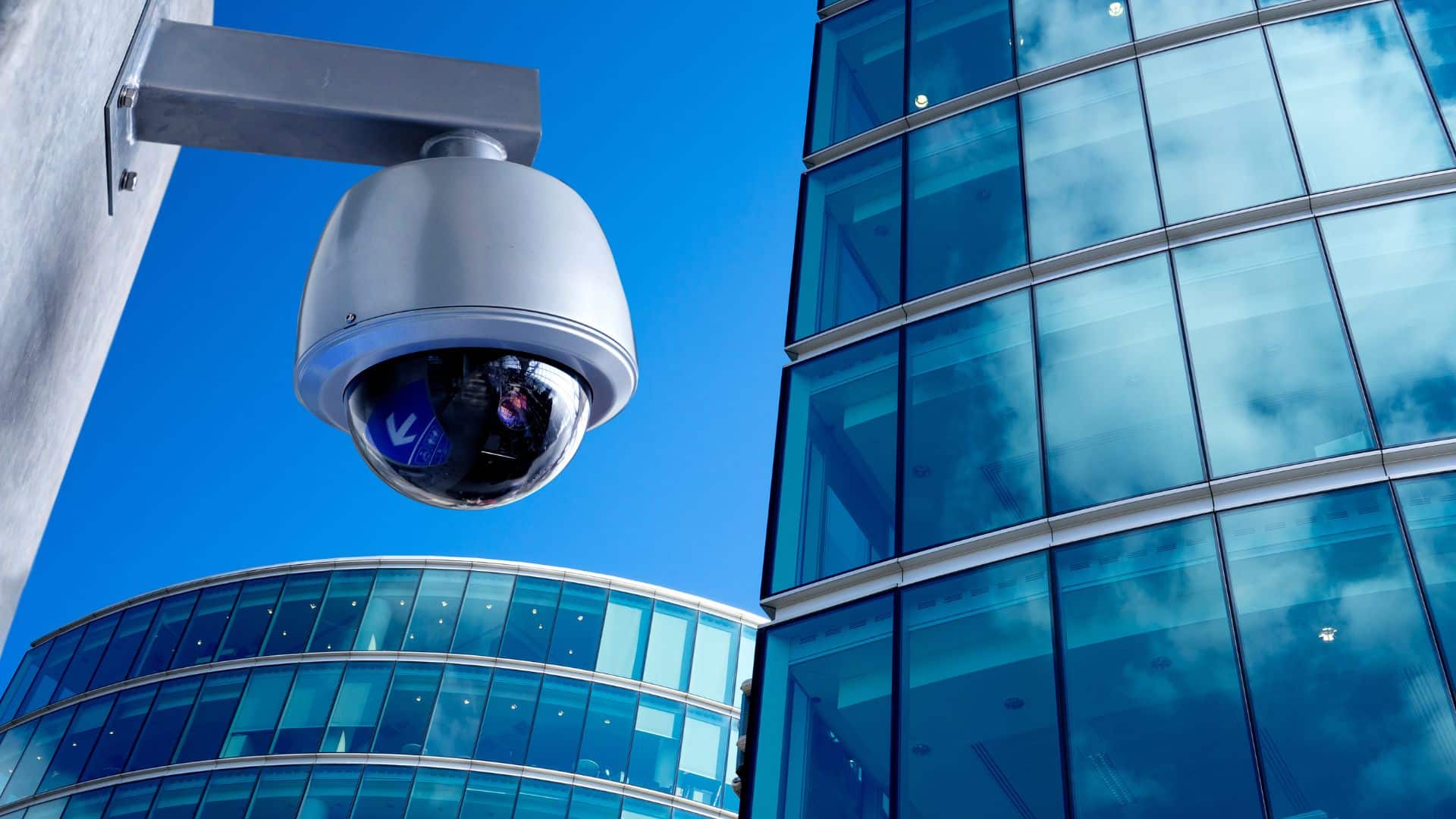
CCTV systems are important, but the specific placement and implementation of them in your building is essential.
Prioritising access points and high-risk areas
With a clear grasp of your building’s layout, the next step is to prioritise access points and high-risk areas. The placement and prioritisation of your alarm systems is crucial to a layered security system.
Intruders often target common entry points such as rear doors, delivery bays and ground floor windows. It is essential to understand that not all areas pose the same level of risk.
For example, high-traffic zones, such as loading bays, still need reliable monitoring and alarm triggers. Identifying the specific areas needing a higher level of security in your building is pivotal.
Prioritising these zones makes your security system more efficient, it ensures critical or sensitive areas are covered without wasting resources securing low-priority spaces.
The importance of sensor placement
Effective sensor placement is another concept to factor into your security system decisions. Understanding and applying some of the following approaches can utilise your company’s security systems.
- Utilising strategic placement to detect threats earlier – Placing sensors where they can detect intruders quickly can prompt early response and minimise damage.
- Customising sensor placement based on your building layout – The unique features of your building can be utilised to tailor sensor locations and eliminate blind spots. Additionally, this can help prevent false alarms through the avoidance of heat sources or moving machinery.
- Integrating sensors with other security systems – Coordinating sensors with CCTV, access control and burglar alarm systems to build a layered security defence.
- Ensuring compliance with British standards – Following industry regulations guarantees your fire and security systems meet safety and performance expectations.
At Argus Fire and Security, we adhere to EN50131 and PD6662:2017 regulations. The importance of sensor placement is a key factor which helps us, and your business, meet the highest standards of safety, reliability and performance.
Making sure your system placement is convenient and maintainable
The way an alarm system is placed plays a huge role in how convenient and maintainable it is. The long term performance of your alarm system depends largely on regular servicing. Reliable and maintainable systems ensure that your investment continues to deliver value for years to come.
Several factors of placement can affect usability and maintenance:
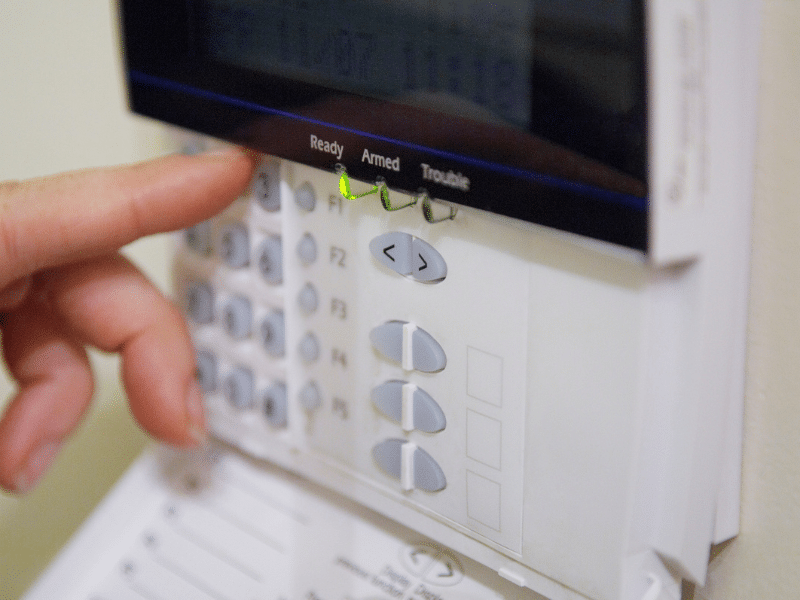
- The control panel location needs to be in an accessible location, making daily use straightforward.
- Enabling remote access allows users or security to monitor and maintain the system offsite. Correct placement reduces the need for on-site intervention.
- Sensors need to be placed where they are effective and where maintenance teams can easily access them. Poor placement can lead to higher costs for routine checks.
- Good placement avoids obstructions. Sensors can be blocked by furniture or machinery, which can lead to frequent false alarms. This can also result in unwanted call outs.
- Strategically placed sensors help identify clear zones. This makes it easier for staff to understand which parts of the system are active.
Overall, smart placement ensures your system is easy to operate and maintain.
How we can help
At Argus Fire and Security, we’ve spent over 35 years helping our customers protect what matters. Our team of professionals with an impressive project history aim to provide our customers with security solutions to suit their individual needs.
We offer bespoke system designs and expert sensor placement that lasts. Whether you’re planning a brand new set up or reviewing your current situation, our support team is available 24/7 to guide you every step of the way. Get in touch with us today to see how we can secure your business.